When we compare an auger vs. drill for skid steer or excavator work, we start with the material and the type of hole the job requires.
We use an auger to dig into the ground and carry loose material out of the hole. We use a drill or specialized boring system to penetrate solid material where creating the bore is the main objective.
For fence posts, pole barns, footings, farm projects, and repeated ground holes, we’ll usually recommend an auger.
Auger vs. Drill: What’s the Main Difference?
An auger cuts into soil and removes spoil through its spiral flighting. A drill penetrates a solid surface but isn’t designed to lift soil, clay, gravel, and other loose material out of a ground hole.
We’ll generally choose an auger when we’re working in soil, compacted ground, clay, gravel, or mixed conditions. We may consider a drill or another boring system when we’re cutting through continuous concrete, asphalt, or solid rock.
The decision isn’t based on the tool’s name alone. We look at the material, finished hole, carrier, and workload before recommending equipment.
How Does an Auger Work?
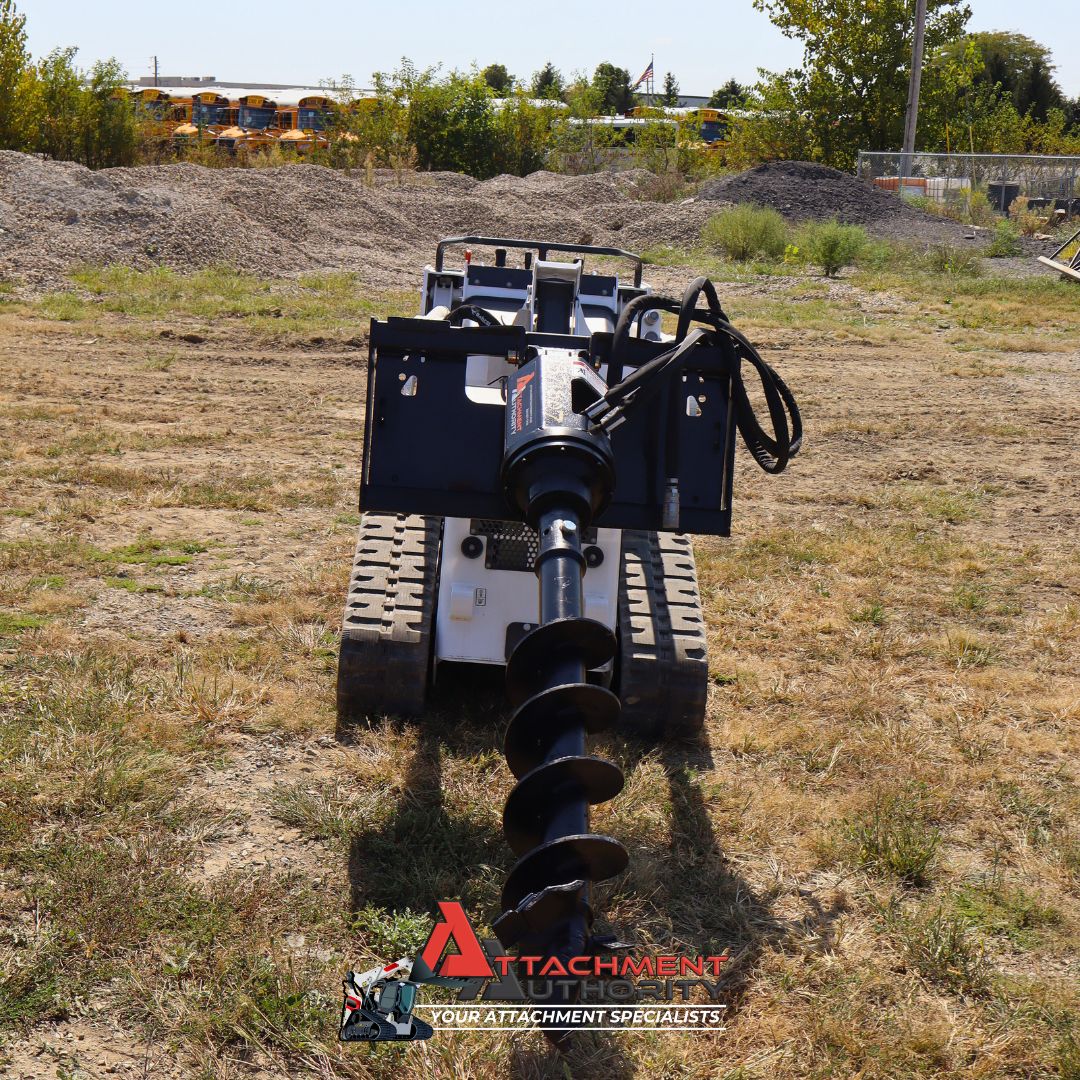
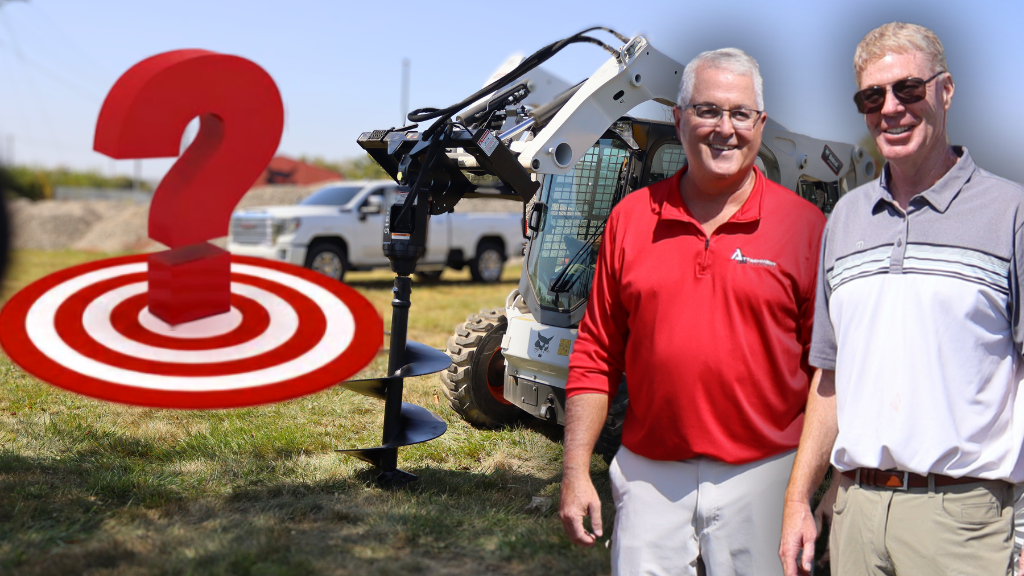
A machine-mounted auger setup includes an auger drive and an auger bit.
The drive provides the torque that turns the attachment. The bit cuts into the ground while its flighting carries spoil upward and out of the hole. Our guide to auger drives vs. auger bits explains how these two parts work together.
We commonly recommend augers for:
- Fence posts, gate posts, and pole barn posts
- Deck footings, signposts, and utility preparation
- Agricultural fencing and land-improvement projects
- Repeated holes in soil, clay, gravel, or compacted ground
Before choosing equipment, we recommend reviewing our pre-purchase guide to buying an auger bit. It covers the machine, hole size, ground conditions, and application details we’ll need before narrowing down a setup.
Does Rocky Ground Mean We Need a Drill?
Not always.
Rocky soil, fractured rock, caliche, compacted gravel, and continuous solid rock aren’t the same conditions. We may still recommend a rock auger when we need to cut through difficult ground and lift loose or broken material out of the hole.
A specialized drilling system may make more sense when we’re penetrating a continuous slab or solid formation.
When Is an Auger the Better Choice?
We’ll normally recommend an auger when the job requires ground excavation, repeated holes, and efficient spoil removal.
Fence construction is one of the clearest examples. The right auger setup can reduce hand digging, lower crew fatigue, and help keep post installation moving. Our guide to mastering auger attachments in fencing construction covers practical ways to improve attachment selection and jobsite performance.
Ground conditions can also change throughout the year. Dry summer soil may become harder and more compacted than the same area during spring. We explain how that affects bit selection in our guide to choosing the right auger bit for dry summer soil.
How Do We Match an Auger to the Machine?
The drive, bit, hydraulic system, and carrier all need to work together. Before we recommend a setup, we’ll confirm:
- Machine make and model
- Hydraulic flow and pressure
- Mounting plate or excavator coupler
- Required hole diameter and depth
- Soil, clay, rock, gravel, or root conditions
- Expected workload and frequency of use
For skid steers, we pay close attention to hydraulic output, operating capacity, and stability. For excavators, we’ll also consider the coupler, reach, digging angle, and attachment weight.
How Do We Choose the Right Auger Bit?
We consider the cutting head, teeth, flighting, length, ground type, and replaceable wear components. A standard bit may work well in common soil but struggle in compacted, abrasive, or rocky conditions.
Once the attachment is working, maintenance also matters. Worn teeth, loose hardware, damaged flighting, and poor cleaning can reduce performance and lead to downtime. Our summer auger attachment maintenance guide covers the inspection and maintenance points we recommend checking during demanding construction schedules.
Do We Need an Auger or a Drill?
We’ll usually choose an auger when we’re digging into soil or mixed ground, removing spoil, setting posts, or creating repeated holes for construction and agricultural work.
Consider a drill or specialized boring system when penetrating a continuous solid surface and spoil removal through auger flighting isn’t the main requirement.
Final Takeaways
Here at Attachment Authority, we help match the auger drive and bit to the machine and the job. That reduces compatibility problems, protects equipment, and helps keep work moving.
Contact our attachment specialists with your machine model, hydraulic information, ground conditions, and required hole size. We’ll help you narrow down the right setup.
Questions About Augers vs. Drills
What’s the main difference between an auger and a drill?
We use an auger to dig into the ground and lift loose material out of the hole. We use a drill or boring system to penetrate solid material.
Which tool do we use for fence posts?
We’ll usually use an auger because it creates the hole and removes soil as the bit turns.
Can we use an auger in rocky ground?
Yes, depending on the type of rock and the conditions. Compacted soil, fractured rock, and solid rock may require different bits or drilling systems.
Can we use an auger on a skid steer or excavator?
Yes. We’ll need to confirm the hydraulics, mounting setup, torque range, attachment weight, bit size, and carrier capacity before choosing the equipment.