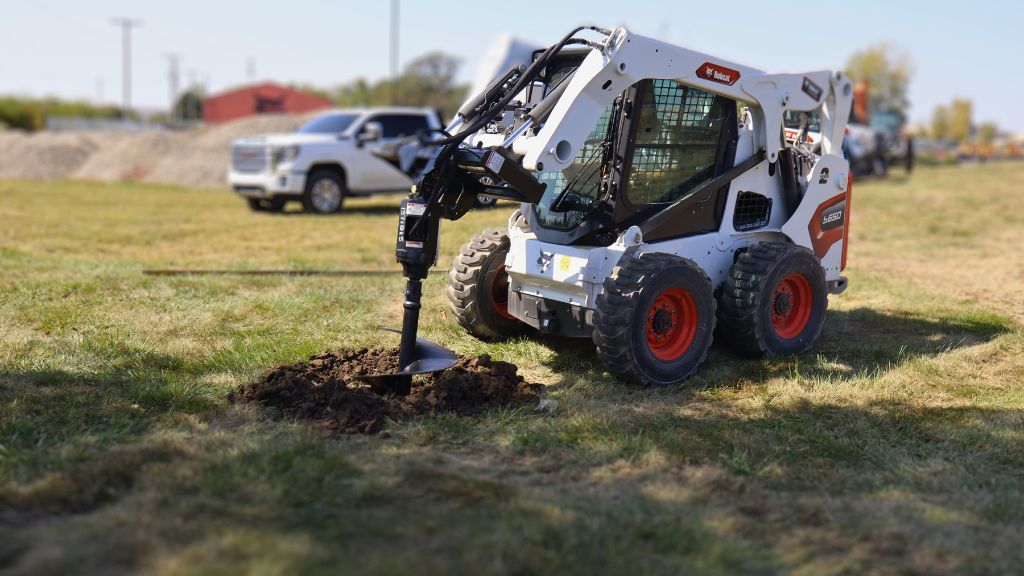
Top 3 Questions to Ask Before Buying an Auger Bit for Your Skid Steer
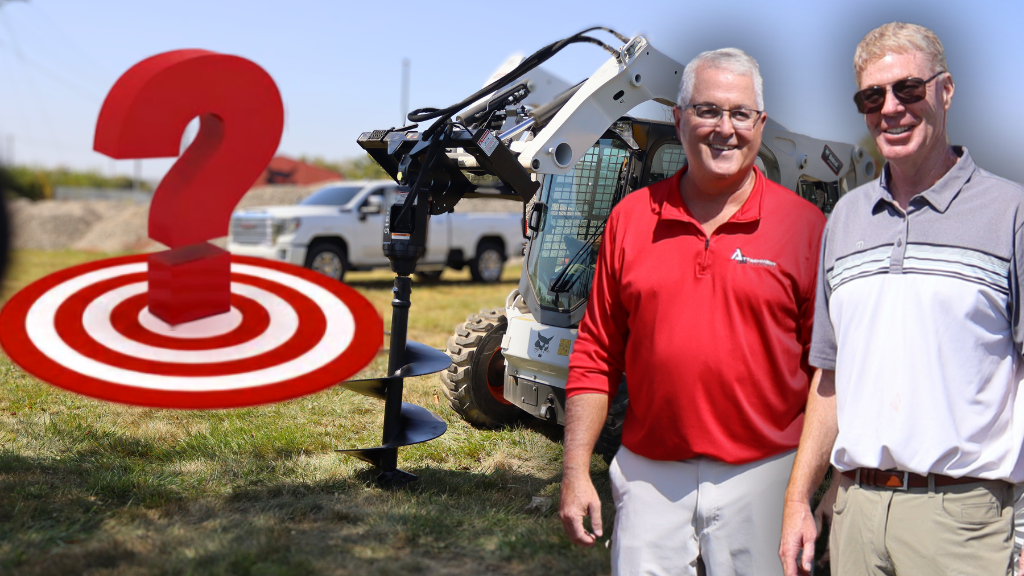
If you’re tackling jobs like post-hole digging, planting trees, or even foundation drilling, a skid steer auger bit is a game-changer. But before you invest in one, it pays—literally—to ask the right questions. Choosing the wrong bit can lead to downtime, poor performance, and unnecessary wear on your machine.
To make sure your investment goes the distance, here are the top three questions you should ask before buying an auger bit for your skid steer.
1. Is the Auger Bit Compatible with My Skid Steer’s Hydraulic System?
Your skid steer’s hydraulic flow rate and pressure are the heartbeat of any hydraulic attachment, and auger bits are no exception. These two specs determine how efficiently the auger spins and how much torque it can deliver.
- Low-flow vs. high-flow: If you’re working with a low-flow machine, you’ll want an auger attachment built to match. Pairing a high-flow bit with a low-flow machine can underpower the tool, leading to poor digging and strain on the system.
- Check your numbers: Most skid steers run anywhere from 10–40 gallons per minute (GPM) of hydraulic flow. Know your machine’s GPM and PSI (pressure) before you shop.
Pro tip: Many suppliers list hydraulic requirements in their product specs—don’t skip the fine print!
2. What Type of Ground Will I Be Drilling Into?
Not all auger bits are created equal, especially when it comes to handling tough terrain. Knowing your ground conditions will help you choose a bit that gets the job done right the first time.
- Soft soils: Standard dirt bits or general-purpose augers work great for loam, sand, and light clay.
- Rocky or compacted soils: You’ll want a heavy-duty auger bit with reinforced teeth and a robust build, possibly even a rock bit with tungsten carbide tips.
- Frozen or mixed terrain: Consider a combo bit designed to transition between soft and hard materials without skipping a beat.
Also think about how big and how deep your holes need to be. Bits come in a wide range of diameters (4–36 inches) and lengths. Add-on extensions are available for deeper holes—but only if your machine can handle the torque required to power through that extra depth.
3. What Type of Drive and Bit Design is Right for My Workload?
Once you’ve sorted out hydraulic compatibility and ground conditions, the next thing to consider is the build of the auger itself—specifically the drive system and bit design.
Drive Systems:
- Planetary Drives: Known for high torque and durability, planetary drives are ideal for heavy-duty jobs in tough soils. These are your go-to for commercial applications.
- Chain Drives: A more economical option, better suited for lighter work and smaller machines. They’ll get the job done, but require more maintenance over time.
Bit Design:
- Hex Drive vs. Round Drive: Hex drives (usually 2″ or 2.5″) are common in commercial augers and offer a secure connection that minimizes slippage under load. Round drives are less rugged and typically found on older or light-duty machines.
- Flighting Pitch: This refers to how closely the spirals are spaced on the bit. Short-pitch flighting (more spirals per foot) is better for tough digging, while long-pitch works faster in soft soil.
Don’t forget replaceable teeth and pilot points—these not only improve longevity but also make maintenance easier and more cost-effective down the road.
Final Thoughts
The right auger bit can turn your skid steer into a powerful hole-digging machine. But the wrong bit? That’s just money in the dirt. Always start with the basics: know your machine, know your ground, and know your options.
At Attachment Authority, we’re here to help you match your equipment to the job with durable, performance-built attachments that are ready for work.
Need help picking the right auger bit for your setup? Contact us today or explore our full line of skid steer auger attachments.