Choosing the Right Auger Bit for Dry Summer Soil Conditions
Summer can make simple drilling work a lot less simple. A lot that drilled cleanly in spring can turn stubborn once the heat sets in. Clay tightens up, compacted fill gets harder, rocky areas become less forgiving, and dry residential lots can put more wear on teeth, pilots, and cutting edges than expected.
For contractors trying to keep projects moving, choosing the right auger bit for dry soil is not a small detail. The bit affects drilling speed, hole quality, equipment strain, and how much time the crew spends fighting the ground instead of finishing the work.
A good auger setup starts with matching the bit to the soil, the hole size, the carrier machine, and the job. That is especially true during peak summer work, when schedules are tight and downtime is harder to absorb.
Why Does Dry Summer Soil Change the Job?
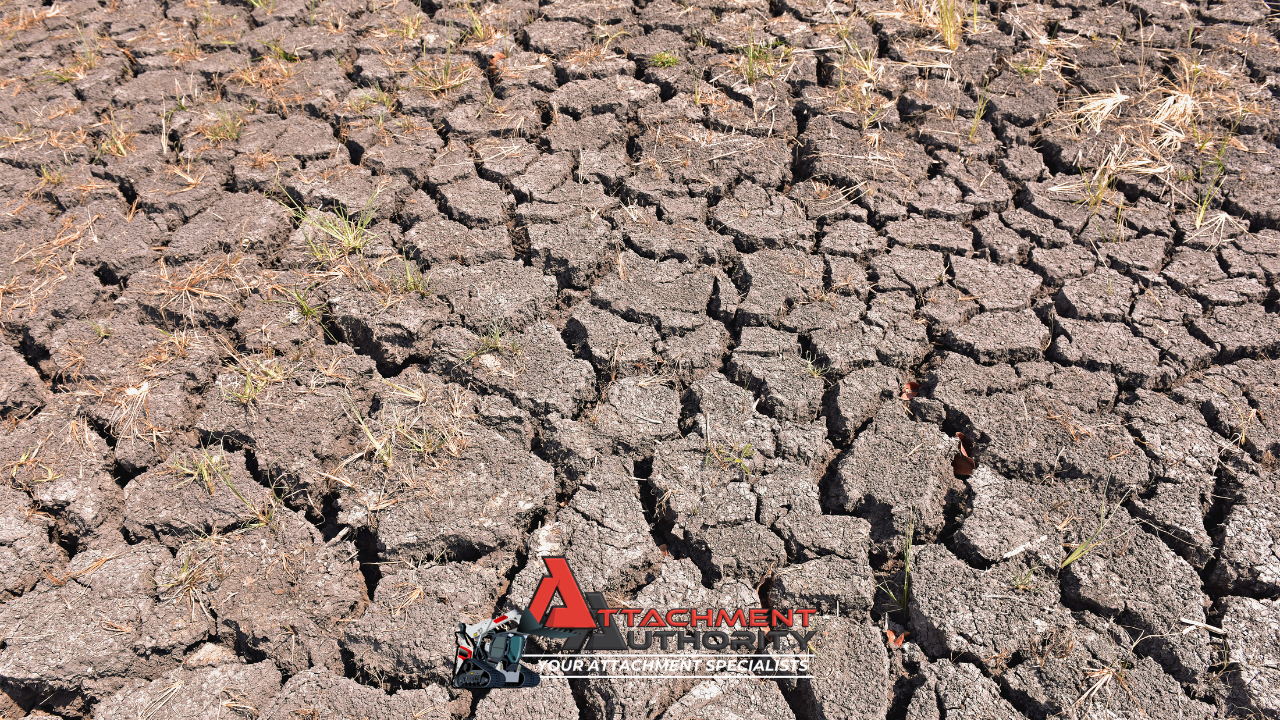
Dry soil can behave very differently than damp or loose soil. When moisture leaves the ground, certain soil types become harder, denser, and more abrasive. Compacted fill can include mixed gravel, construction debris, and hard layers that slow a standard bit down. Rocky ground can chip teeth or damage pilots if the bit is not built for impact.
This matters because auger bits are not all designed for the same conditions. A bit that performs well in softer topsoil may not hold up as well in hard-packed summer clay or rocky residential lots. Contractors who understand the difference between a rock bit vs heavy-duty auger bit are in a better position to choose equipment that fits the ground instead of guessing once the machine is already on site.
The goal is not always to buy the most aggressive bit available. The goal is to use the right bit for the work.
How Do I Match the Auger Bit to the Machine?

The best auger bit also depends on the carrier machine. A skid steer, mini skid steer, tractor, and excavator may all run auger attachments, but they do not all provide the same hydraulic flow, pressure, downforce, or operating stability.
A larger bit in tough dry soil needs enough torque to keep cutting. If the drive is underpowered or the carrier is not properly matched, the bit may stall or bounce instead of drilling cleanly. Contractors should also consider hole diameter and depth. Wider holes create more resistance, especially in dry clay and compacted fill.
Before buying, contractors should confirm:
- Carrier machine type and hydraulic specs
- Auger drive torque range
- Required hole diameter and drilling depth
- Soil type and expected ground resistance
- Tooth, pilot, and wear part availability
Are Standard-Duty Bits for Lighter Soil Conditions?
Standard-duty auger bits can be a practical choice when the soil is relatively clean, loose, and free of heavy compaction or rock. They are commonly used for lighter drilling tasks such as fence posts, small landscape structures, and basic residential work where the ground does not require high cutting force.
In summer, standard-duty bits still have a place, but contractors should be realistic about the conditions. If the jobsite has dry sandy loam or softer topsoil, a standard bit may work well. If the soil has turned hard, dense, or rocky, the bit may drill slowly, wear faster, or put extra load on the auger drive.
Standard-duty bits are best suited for:
- Softer residential soil
- Light-duty post holes
- Occasional drilling in clean ground
- Smaller hole diameters where soil resistance is limited
For contractors handling multiple summer jobs, standard-duty bits are useful, but they should not be expected to handle every condition.
Are Heavy-Duty Bits for Hard-Packed Clay and Compacted Fill?
Heavy-duty auger bits are often the better choice when dry soil becomes dense or compacted. They are typically built with stronger flighting, tougher cutting components, and a more durable structure than lighter-duty options.
This type of bit makes sense for contractors drilling through hard-packed clay, compacted residential lots, or mixed fill where the ground has more resistance. It can be a strong everyday option for summer work because it offers more durability without being limited only to extreme rocky conditions.
A heavy-duty bit can help reduce unnecessary wear when a crew is drilling repeated holes for decks, fences, pole structures, retaining wall posts, or light commercial site features. The right bit can also reduce strain on the drive by cutting more effectively instead of forcing the attachment to grind through the ground.
That said, a heavy-duty bit still needs to be matched with the correct auger drive. Understanding auger drives vs auger bits helps contractors look at the full system. The bit does the cutting, but the drive supplies the torque. If either part is poorly matched, performance will suffer.
Are Rock and Carbide-Tipped Bits for Tougher Ground?
Some summer jobsites call for more than a heavy-duty bit. Rocky soil, fractured rock, gravel-heavy fill, and abrasive ground can require a bit designed for impact and wear resistance.
Rock auger bits and carbide-tipped options are built for tougher drilling conditions. They are commonly used when standard or heavy-duty bits are likely to wear too quickly or struggle to maintain cutting performance. Carbide-tipped teeth can help in abrasive material because they are designed to handle harder contact surfaces.
Contractors working on dry lots near rocky terrain, utility prep areas, commercial sites, or heavily disturbed ground should pay close attention to bit construction. In these conditions, rock auger bits for extreme job conditions may provide the durability needed to keep the job moving without burning through wear parts too quickly.
A rock bit is not always necessary for dry soil alone. Dry clay and rocky ground are different problems. Dry clay may call for a heavy-duty bit with the right cutting setup, while rocky ground may require a bit designed for impact, abrasion, and tooth durability.
How Do I Choose an Auger Bit for Long-Term Value?
Dry summer soil can expose weak spots in an auger setup quickly. A cheap bit may seem like a savings at first, but slow drilling, worn teeth, bent flighting, and extra downtime can cost more over a busy season.
We help contractors match auger bits, auger drives, parts, and accessories to real jobsite conditions. For help choosing the right auger bit for dry soil, contact the Attachment Authority team for practical guidance on equipment compatibility, bit style, soil conditions, and long-term performance.
Questions you may still have about auger bits
What is the best auger bit for dry soil?
The best auger bit for dry soil depends on the ground conditions. Softer dry soil may only require a standard-duty bit, while hard-packed clay or compacted fill often calls for a heavy-duty bit. Rocky or abrasive ground may require a rock bit or carbide-tipped option.
Does dry clay require a rock auger bit?
Not always. Dry clay can be hard and difficult to cut, but it is not the same as drilling through rock. A heavy-duty auger bit may be a better fit for dense clay unless the site also includes rock, gravel, or highly abrasive material.
Are carbide-tipped auger bits worth it?
Carbide-tipped auger bits can be worth it when drilling in rocky, abrasive, or difficult ground. They are designed to handle tougher contact surfaces and may help reduce wear compared to lighter-duty cutting components.
Can the same auger bit be used all summer?
One bit can handle multiple jobs if the soil conditions are similar and the bit is properly maintained. Contractors working across varied sites may need more than one bit style to handle soft soil, compacted fill, clay, and rocky ground without unnecessary downtime.