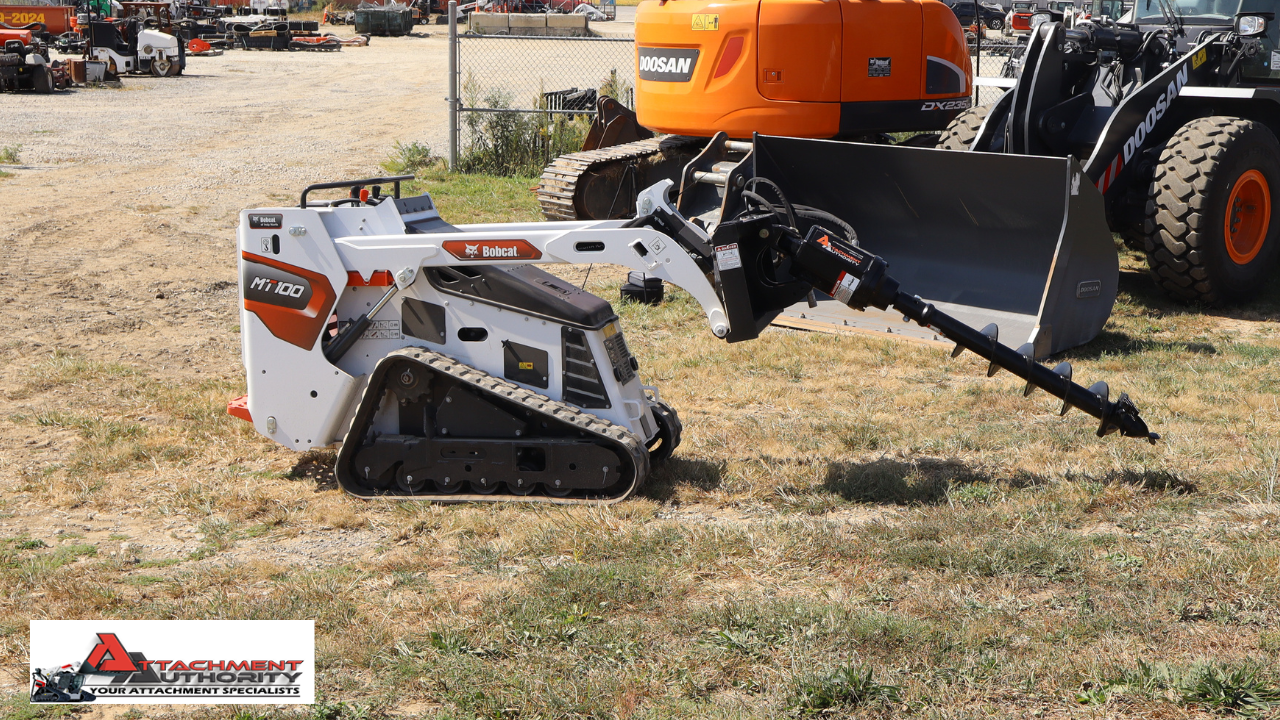
Rock Bit vs Heavy Duty Auger Bit: Which One Fits the Job?
Choosing between a rock bit and a heavy-duty auger bit usually starts with a simple jobsite question: what kind of ground is the crew actually drilling into?
For a general contractor managing residential or light commercial work, that answer matters. The wrong auger bit can slow down production, damage cutting teeth, strain the auger drive, and turn a straightforward hole pattern into a schedule problem. The right bit helps the crew keep moving, especially on footings, deck posts, fence lines, pole barns, retaining walls, signs, and utility-related prep.
What a Heavy-Duty Auger Bit Is Built to Handle
A heavy-duty auger bit is the practical choice for many day-to-day digging jobs. It is made for soil that may be compacted, mixed, or difficult, but not dominated by rock.
This type of bit is commonly used in clay, loam, compacted fill, sandy soil, and ground with occasional small stones or light gravel. For many contractors, it is the workhorse bit because it covers a wide range of normal jobsite conditions without adding unnecessary cost.
A heavy-duty auger bit is often the better fit for:
- Deck posts, fence posts, and general post hole digging
- Footings in mostly soil-based ground
- Landscaping structures, signs, and light commercial site work
- Jobs where ground conditions change but true rock is not the main issue
The advantage is efficiency. In the right soil, a heavy-duty bit cuts cleanly and moves material well. It gives contractors a strong balance of durability, production speed, and long-term value.
The limitation is also important. Heavy-duty does not mean designed for solid rock. If the crew is regularly hitting limestone, shale, fractured ledge, cobble, or buried concrete, a standard heavy-duty bit may start wearing teeth quickly or stop advancing the way it should.
When a Rock Bit Makes More Sense
A rock bit is designed for harder, more abrasive conditions where a standard bit struggles to bite. It typically uses a more aggressive cutting setup and stronger wear components to help it work through rocky soil, fractured rock, compacted aggregate, and difficult ground that would beat up a standard bit.
For a contractor, the decision is not always about one tough hole. It is about repeated exposure. If rocky ground shows up across several projects, a rock bit can help reduce delays, replacement tooth costs, and frustration on site. Our guide to rock auger bits for extreme job conditions goes deeper into when that kind of upgrade starts to make sense.
A rock bit is usually worth considering when:
- Standard bits bounce, chatter, or stop cutting
- Teeth wear out faster than expected
- The crew regularly works in shale, limestone, cobble, or rocky fill
- The job requires multiple holes in difficult ground
- Schedule control matters more than saving on the initial bit cost
A rock bit can be a smart investment when it helps the contractor avoid stalled production. If a crew has to stop drilling, wait on a rental unit, replace damaged parts, or bring in another subcontractor, the lower-cost bit may no longer be the lower-cost option.

Rock Bit vs Heavy Duty Auger Bit: The Practical Difference
The difference is not just strength. It is how each bit engages the ground.
A heavy-duty auger bit is designed to cut and lift soil efficiently. It performs best when the material can be cut, loosened, and carried up the flighting. A rock bit is designed to attack harder material and survive more abrasive contact. It is better suited for ground that resists cutting, breaks unevenly, or causes standard teeth to wear down quickly.
In normal soil, a rock bit may be more attachment than the job needs. It may cost more upfront and may not offer a meaningful advantage in clean clay, loam, or sandy ground. In rocky soil, though, a heavy-duty standard bit may cost more over time through slower production and faster wear.
That is why the right choice depends on the ground, the number of holes, the equipment running the attachment, and how often similar jobs are coming up. Before buying, contractors are better served by working through the key questions covered in The Complete Pre-Purchase Guide: What to Ask Before Buying an Auger Bit, especially when the bit will become part of the company’s owned attachment inventory.
The Auger Drive Matters Just as Much as the Bit
A rock bit or heavy-duty bit can only perform as well as the auger drive behind it. Torque, hydraulic flow, machine size, mount type, and bit diameter all affect digging performance.
This is especially important when running auger attachments on skid steers, mini skid steers, tractors, or excavators. A rock bit paired with an underpowered drive may still struggle. A large bit on the wrong carrier can slow production and put unnecessary stress on the machine. The bit, drive, and carrier need to work as a system.
Contractors comparing components should understand the difference between auger drives and auger bits before making a purchase. The bit does the cutting, but the drive provides the torque that keeps the bit working through resistance. Matching both correctly helps protect the attachment investment and improves jobsite reliability.
How to Choose the Right Bit Before the Job Starts
A contractor does not need to guess. The best starting point is a practical look at the ground conditions across current and upcoming work.
If most jobs involve compacted soil, clay, fill, or mixed dirt with occasional stones, a heavy-duty auger bit is usually the right starting point. It gives the crew versatility without overspending on a specialty bit that may not be needed.
If rocky conditions are common, or if past standard bits have struggled to penetrate, a rock bit is likely the better long-term choice. It may cost more upfront, but it can help reduce downtime and keep crews from fighting the same ground conditions over and over.
Get the Right Bit for the Ground and the Machine
Choosing between a rock bit and a heavy-duty auger bit comes down to matching the attachment to the work. A heavy-duty auger bit is the dependable choice for most general digging. A rock bit is the better fit when rocky, abrasive, or difficult ground is slowing production or wearing out standard components.
We help contractors choose auger bits, auger drives, parts, and accessories based on real job conditions and equipment compatibility. For help matching the right rock bit, heavy-duty auger bit, drive, or accessory to a skid steer, mini skid steer, tractor, or excavator, contact us at Attachment Authority before the next job starts.
Questions You May Still Have About Rock Bits vs Heavy Duty Auger Bits
What is the main difference between a rock bit and a heavy-duty auger bit?
A heavy-duty auger bit is built for tough soil, compacted ground, clay, fill, and light stone. A rock bit is built for harder, more abrasive conditions such as shale, limestone, cobble, rocky fill, and fractured rock.
Is a rock bit better than a heavy-duty auger bit?
A rock bit is better in rocky or abrasive ground, but it is not always the better choice for normal digging. In mostly soil-based conditions, a heavy-duty auger bit can be the more practical and cost-effective option.
Can a heavy-duty auger bit dig through rocky soil?
It can handle occasional small stones and mixed ground, but it is not the right choice for frequent rock. If the bit stops cutting, bounces, or wears teeth quickly, a rock bit may be needed.
Does the auger drive affect which bit should be used?
Yes. The auger drive needs enough torque and proper hydraulic flow for the bit size, soil condition, and carrier machine. A rock bit will not perform correctly if the drive is not matched to the job.
Who can help choose the right auger bit?
Here at Attachment Authority, we can help match the right auger bit, auger drive, parts, and accessories to the machine and ground conditions, including skid steers, mini skid steers, tractors, and excavators.